
Relocating To Texas? A Complete Guide To Planning Your Budget
January 24, 2026

Key Takeaways:
- Tax Structure Awareness: Texas has no state income tax, but higher property and sales taxes play a major role in household budgets.
- Hidden Relocation Costs: Deposits, local fees, and setup expenses often surface after arrival and should be planned for early.
- Long-Term Planning Matters: Property taxes, maintenance, and regional factors shape affordability well beyond the moving date.
Relocating to Texas is a big step, and for many, it’s the start of a new chapter that comes with both opportunity and responsibility. While the state offers plenty of financial advantages, including no state income tax, it also presents unique budget considerations that aren’t always obvious at first. From different sales tax rates to region-specific costs like utility bills or property taxes, planning ahead is key. Whether you’re moving for work, family, or a lifestyle change, understanding how to structure your budget before and after your move can make a big difference in how smoothly the transition goes.
At Harding & Carbone, we’ve worked with property owners across Texas for over 50 years. Our experience spans residential, commercial, and industrial real estate, and we’ve helped thousands of clients navigate the complexities of the Texas property tax system. We’re more than consultants, we’re experts who know how to protect your interests and keep your housing costs in check year after year.
Budgeting For Texas Sales Tax Before You Relocate
Sales tax is one of the most commonly overlooked costs when planning a move to Texas, especially for those coming from states with different tax structures. While the absence of a state income tax is a financial advantage, Texas makes up for it with higher sales taxes that affect everyday purchases. Before you start budgeting for your new life, it’s important to understand how these costs work and what they cover:
Understanding Texas Sales Tax Rates By Location
Texas sets a base sales tax rate of 6.25%, but counties, cities, and transit authorities can add up to 2% more. That means many areas in Texas apply a combined rate of 8.25%. Where you choose to live will influence how much you pay on everything from electronics to household items, so reviewing local rates can help prevent budget surprises.
Common Taxable Purchases After A Move
Most goods and some services are subject to sales tax in Texas. That includes furniture, home décor, electronics, and dining out, all expenses that tend to spike during the first few weeks after settling in. Essential items like unprepared food and prescription medications are exempt, but it’s easy to underestimate how quickly smaller purchases accumulate with added tax.
Creating A Buffer For Initial Spending
It’s smart to build in a cushion for initial purchases, especially when transitioning into a new home. Setting aside funds for taxable items like kitchen supplies, tools, or internet hardware can ease the strain on your early budget. For a broader understanding of how local taxes may influence your total costs, Harding & Carbone’s services offer in-depth expertise based on Texas-specific data.

Planning For Education Costs When Moving To Texas
Education expenses are an important part of budgeting for anyone moving to Texas with children, and those costs extend beyond tuition alone. School funding structures, district boundaries, and supplemental fees can all influence how much families spend each year. Understanding how education is financed across the state helps you evaluate neighborhoods and long-term affordability more accurately:
How Public Schools Affect Property Taxes
Public schools in Texas are primarily funded through local property taxes, which means school quality and tax rates often go hand in hand. Homes located in highly rated districts tend to carry higher tax rates because they support newer facilities, technology upgrades, and expanded academic programs. When comparing areas, it is helpful to look at both the district’s performance and how its tax rate impacts your overall housing budget.
Private School Tuition And Additional Expenses
Private school tuition in Texas varies widely depending on the type of institution and location. Annual costs can range from modest parochial programs to high-end college preparatory schools with significantly higher tuition. Beyond tuition, families should plan for registration fees, uniforms, transportation, and activity-related expenses that can raise the total cost of enrollment.
School-Related Fees That Impact Annual Budgets
Even public schools often involve out-of-pocket costs throughout the year. Classroom supply fees, technology programs, extracurricular activities, and field trips can quickly add up. Factoring these expenses into your education budget allows for a more realistic comparison between school options and helps prevent unexpected costs after the school year begins.
Factoring Seasonal Weather Costs Into Your Texas Relocation Budget
Texas weather can be intense, unpredictable, and costly. From extreme heat in the summer to winter storms and strong spring winds, each season brings unique challenges that can impact your home and monthly bills. Planning ahead for weather-related expenses helps you manage long-term costs more effectively:
High Energy Bills During The Summer Months
Summer in Texas often means running the air conditioning for extended periods, which can push electricity bills well above the national average. Older homes without modern insulation or energy-efficient systems are especially vulnerable to high utility costs. Investing in upgrades like smart thermostats or a home energy audit can help reduce long-term energy waste and lower bills.
Storm Damage And Home Repairs
Hailstorms and strong winds are common across Central and North Texas, leading to roof damage, broken fences, and vehicle repairs. Regular maintenance and preventive steps like installing impact-resistant materials can limit your exposure to costly repairs. Reviewing your homeowner’s insurance for adequate storm coverage is also a smart move, particularly in storm-prone regions.
Cold Weather Emergencies And Power Outages
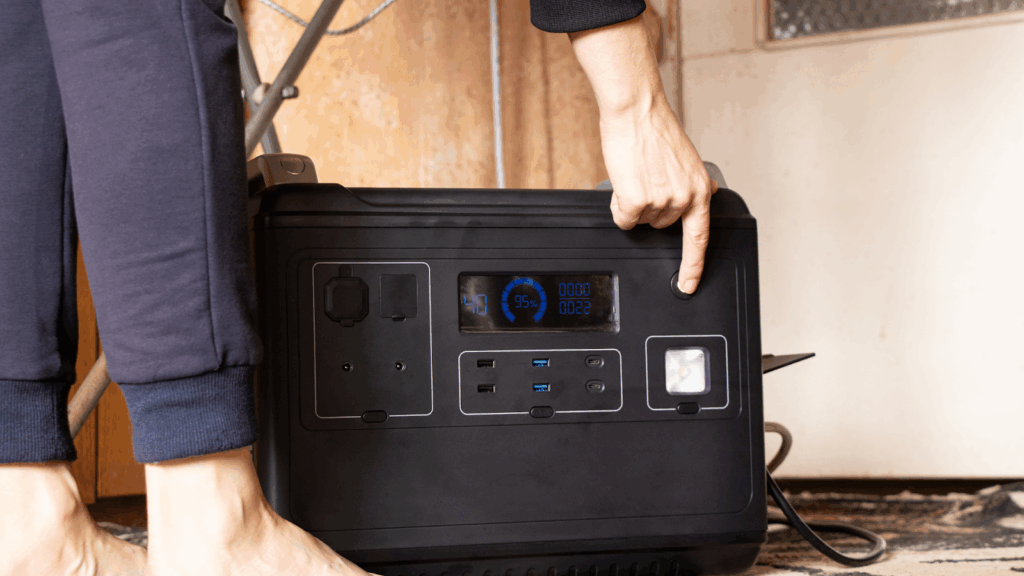
While Texas winters are typically mild, occasional freezes can cause major disruptions. Events like the 2021 power crisis showed how vulnerable homes can be to frozen pipes, heating system failures, and extended outages. Budgeting for essentials like pipe insulation, space heaters, and backup power options provides a layer of protection during unexpected cold spells.
The Ongoing Cost Of Tree Maintenance
Large trees may offer curb appeal and shade, but they also present seasonal risks. Heavy ice or wind can bring down branches that damage property or power lines. Scheduling regular tree maintenance, especially before storm seasons, helps reduce the chance of larger repair costs down the line.
Breaking Down Moving And Relocation Expenses In Texas
The cost of relocating to Texas involves more than just getting your belongings from one place to another. Expenses tied to transportation, housing deposits, and service setup often appear in stages and can stretch your budget if not anticipated. Breaking down these phases helps keep your finances steady throughout the transition:
Long-Distance Moving Costs Vary Widely
Hiring movers or renting a truck comes with price points that shift based on distance, home size, and moving season. A long-distance move across multiple states can run from $3,000 to $8,000 or more, with costs rising if packing materials, fuel, or insurance are needed. Even a self-managed move can carry significant hidden expenses, including lodging, food, and vehicle wear.
Deposits And Setup Fees After Arrival
Once you’re in your new home, upfront costs can still catch you off guard. Utility providers may charge deposits between $100 and $300, while internet, waste services, or homeowner association fees may require additional setup charges. Asking for sample bills or a breakdown of required fees ahead of time can help you avoid unnecessary surprises during your first month.
Local Fees That Differ By City Or Neighborhood
Some communities in Texas implement additional costs for services such as garbage pickup, parking permits, or access to shared amenities. Renters may also encounter administration fees or maintenance charges depending on the property management company. Reviewing lease terms or city fee schedules gives you a more complete picture of monthly and annual obligations.
Explore Support For A Smoother Relocation
Harding & Carbone provides expert insights on the true costs of settling in and maintaining a home in Texas. From understanding appraisal districts to clarifying hidden expenses, their guidance can help you stay financially prepared at every step. Visit Harding & Carbone’s website to explore their resources for new homeowners.
Smart Ways To Budget For Property Taxes And Ongoing Home Maintenance
Property taxes in Texas are a key part of your housing expenses and often come as a surprise to new homeowners. Since there is no state income tax, local governments rely heavily on property tax revenue, which can vary significantly depending on your county and appraisal district. Being proactive with both tax planning and home maintenance can help stabilize your long-term budget:
Save A Percentage Of Your Home’s Value For Maintenance
Experts recommend setting aside 1% to 3% of your home’s value each year for maintenance and repairs. Texas homes are exposed to high heat, storms, and humidity, all of which can accelerate wear and tear. Planning ahead for HVAC servicing, roof repairs, or plumbing fixes prevents costly emergencies and keeps your home in better condition.
Prepare For Regional Repair Needs
Different parts of Texas come with different climate-related maintenance costs. For example, homes in coastal or storm-prone areas may need stronger roofing materials or more frequent inspections. Budgeting for these region-specific issues gives you a clearer sense of what to expect in your annual upkeep.
Review Your Property Appraisal And Tax Notices
Each year, appraisal districts evaluate your home’s market value to determine your property taxes. If that value increases sharply or seems inconsistent with nearby homes, it may be worth filing a protest. Carefully reviewing your appraisal notice allows you to respond quickly and potentially lower your tax burden.
Track Features That Influence Assessed Value
Things like lot size, renovations, and home condition all affect how your property is assessed. If your home lacks updates or has structural issues, these factors can be used during a protest to request a lower valuation. Keeping a detailed record of your home’s characteristics helps you better advocate for fair taxation.

Final Thoughts
Relocating to Texas brings excitement, opportunity, and a fresh start, but it also requires a realistic look at the costs that come with settling in. From higher-than-expected property taxes to seasonal weather prep, many of the state’s hidden expenses only become obvious once you’ve arrived. Creating a clear, upfront budget for your move gives you more control and fewer surprises as you transition into your new home.
Property taxes are a recurring part of life for Texas homeowners and can be managed more effectively with the right knowledge and support. Taking the time to understand your appraisal notice, evaluate available exemptions, and track your home’s condition can lead to meaningful savings. Even routine home maintenance becomes easier when it’s part of a long-term plan, not a last-minute expense.
If you’re preparing to move or recently arrived in Texas, the team at Harding & Carbone can help you take the next step in managing your property tax responsibilities. Their guidance is built on decades of experience with appraisal districts across the state. With their support, you’ll be better equipped to handle the financial realities of homeownership in Texas.
Frequently Asked Questions About Relocating To Texas
Is moving to Texas more affordable than other states?
Texas can be more affordable than many coastal states due to lower housing prices and the absence of state income tax. However, higher property taxes and local sales taxes can offset some of those savings depending on where you live.
How far in advance should I start budgeting before moving to Texas?
Ideally, budgeting should begin three to six months before your move. This gives you time to account for deposits, moving costs, and early household purchases without straining your finances.
Do property taxes differ significantly across Texas counties?
Yes, property tax rates and appraised values can vary widely by county and school district. Two similar homes in different areas may have very different annual tax bills.
Are homeowners exemptions automatic in Texas?
Most exemptions, including the homestead exemption, are not automatic and require an application after you purchase your home. Missing deadlines can delay potential savings for an entire year.
How does Texas handle vehicle registration and related costs?
New residents must register their vehicles in Texas within a set timeframe. Costs include registration fees, inspections in some counties, and potential sales tax if the vehicle was recently purchased.
Is renters insurance required in Texas?
While not required by law, many landlords require renters insurance as part of the lease. Premiums are typically affordable and help protect against loss from theft or weather-related damage.
Are utility costs predictable across the state?
Utility costs vary based on home size, energy efficiency, and local providers. Electricity pricing can fluctuate depending on your plan and usage patterns.
Does Texas offer financial incentives for new residents?
Texas does not provide relocation incentives for individuals, but certain property tax exemptions are available for homeowners, veterans, seniors, and people with disabilities.
How does commuting affect budgeting in Texas metro areas?
Large metro areas often involve longer commutes, which increase fuel and vehicle maintenance costs. Tolls are also common in cities like Austin and Dallas and should be factored into monthly expenses.
Should I reassess my budget after my first year in Texas?
Yes, reassessing after one year helps account for actual utility usage, property tax changes, and maintenance patterns. This adjustment makes your long-term financial planning more accurate.